Life in Japan
December 15, 2025Survive winter in Japan – Student edition
 Por Sofia Montoya
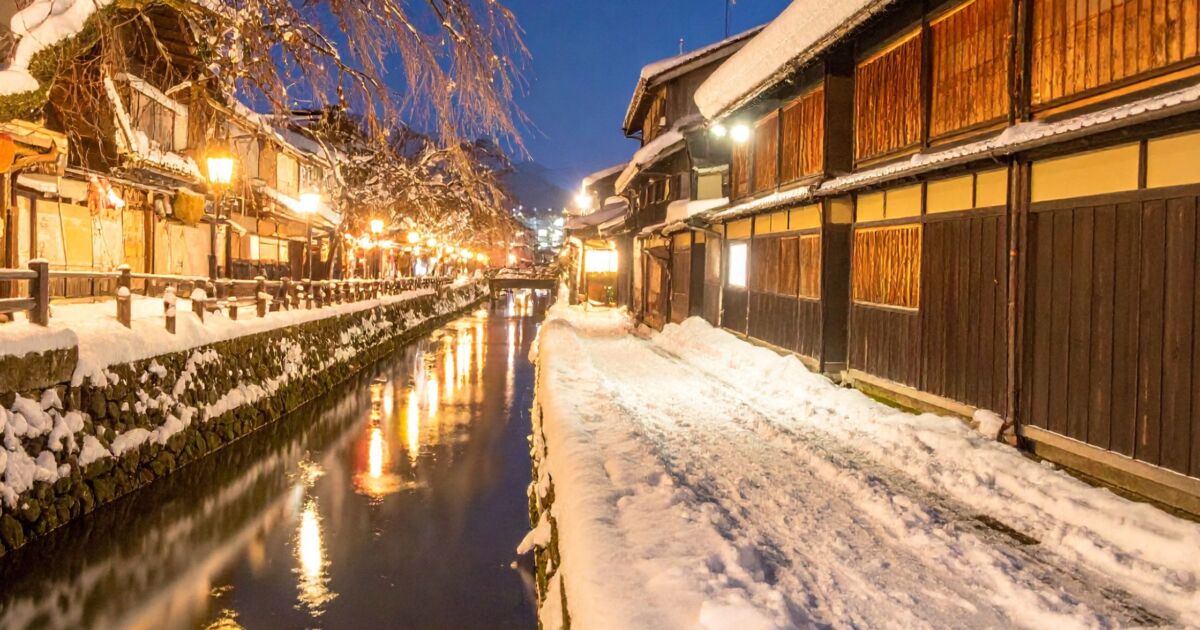
Winter in Japan can be beautiful, but it can also be quite challenging—especially for students coming from warmer countries. The good news is that Japan offers plenty of practical, affordable solutions that make winter much easier to handle.
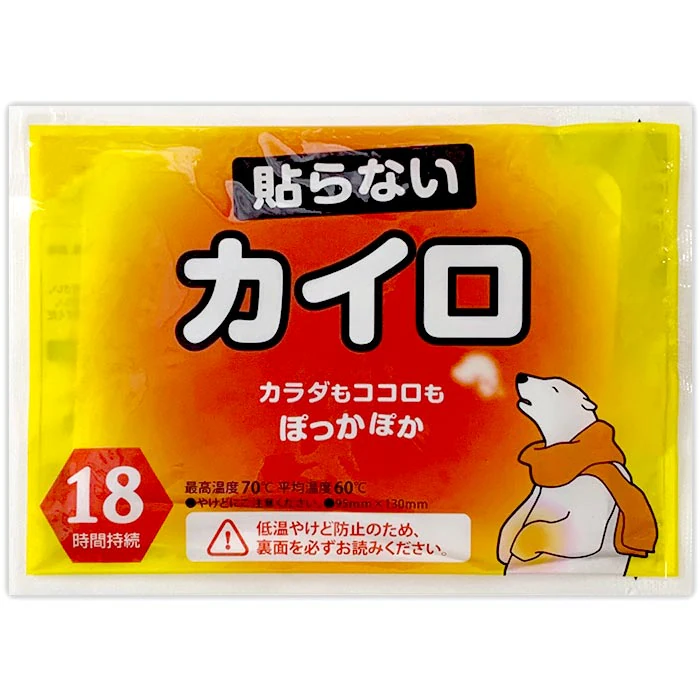
One of the most popular winter essentials is hot packs (kairo). You can easily find them at convenience stores and 100-yen shops. Some are designed to keep in your pockets, while others can be stuck to your clothes or even directly onto your skin. They’re small, inexpensive, and incredibly helpful on cold days, especially if you spend a lot of time walking or waiting for trains outside.
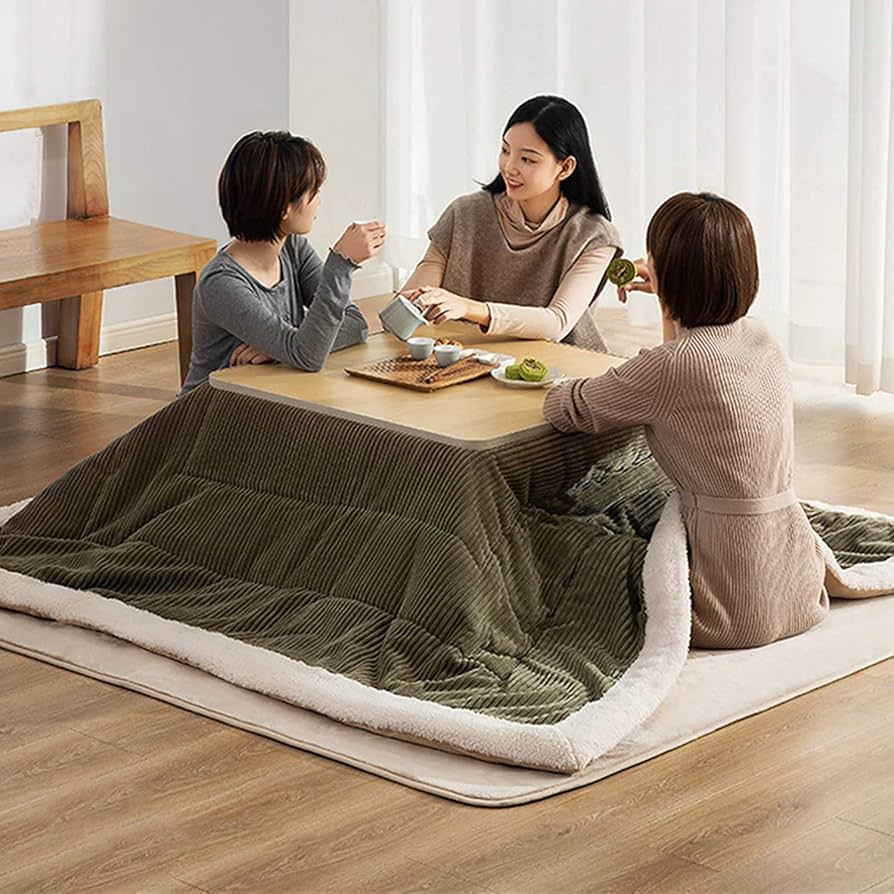
If you spend long hours studying at home, a kotatsu can be a real game changer. This heated table with a blanket is not just a cultural icon—it’s also extremely cozy and efficient. A new kotatsu’s price starts at 11,000 yen, but you can find much cheaper options on second-hand platforms like Mercari or Jimoty. It’s a great way to stay warm without increasing your electricity bill too much.
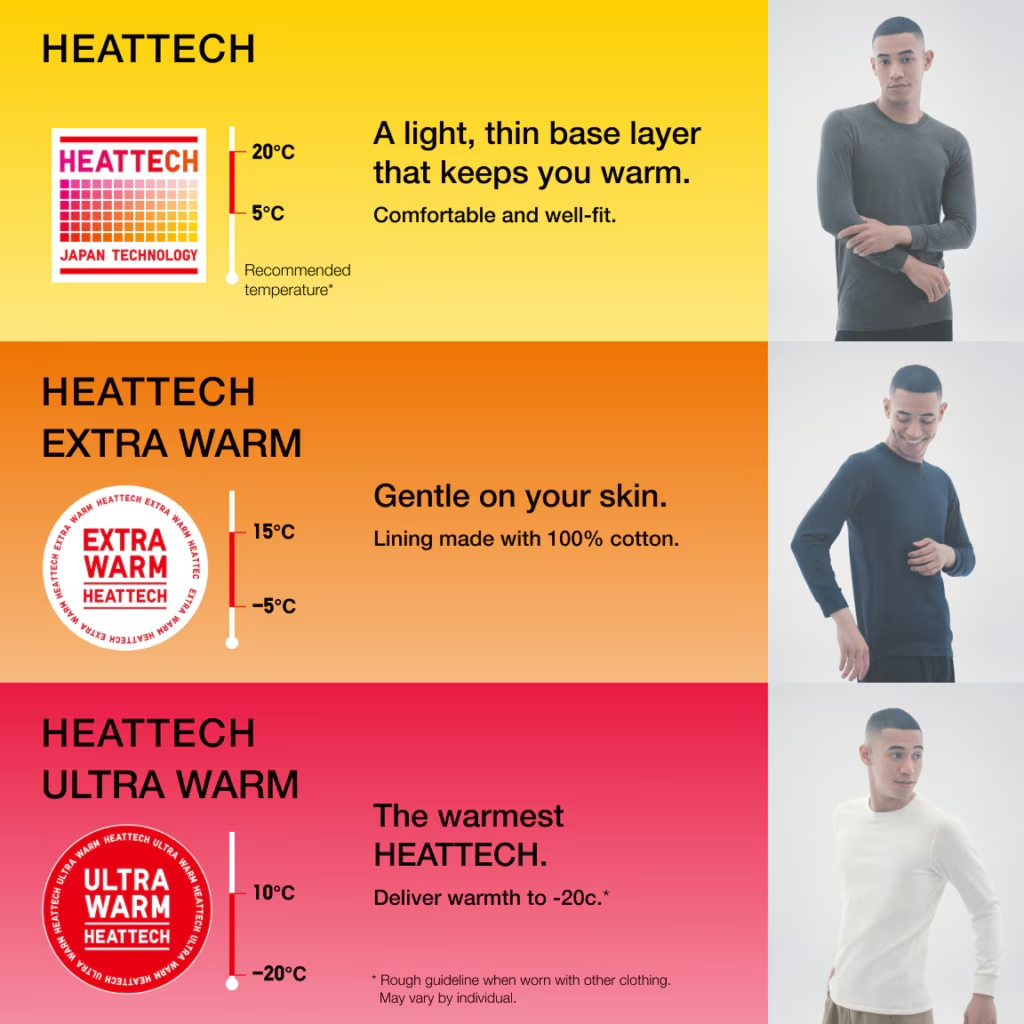
When it comes to clothing, Uniqlo’s Heattech line is a winter staple in Japan. The thermal layers are lightweight, comfortable, and very effective. If you’re on a tighter budget, GU offers similar options at lower prices, while Muji also has thermal wear as an alternative (not always the cheapest, but good quality). Layering is key, and these brands make it easy to stay warm without feeling bulky.
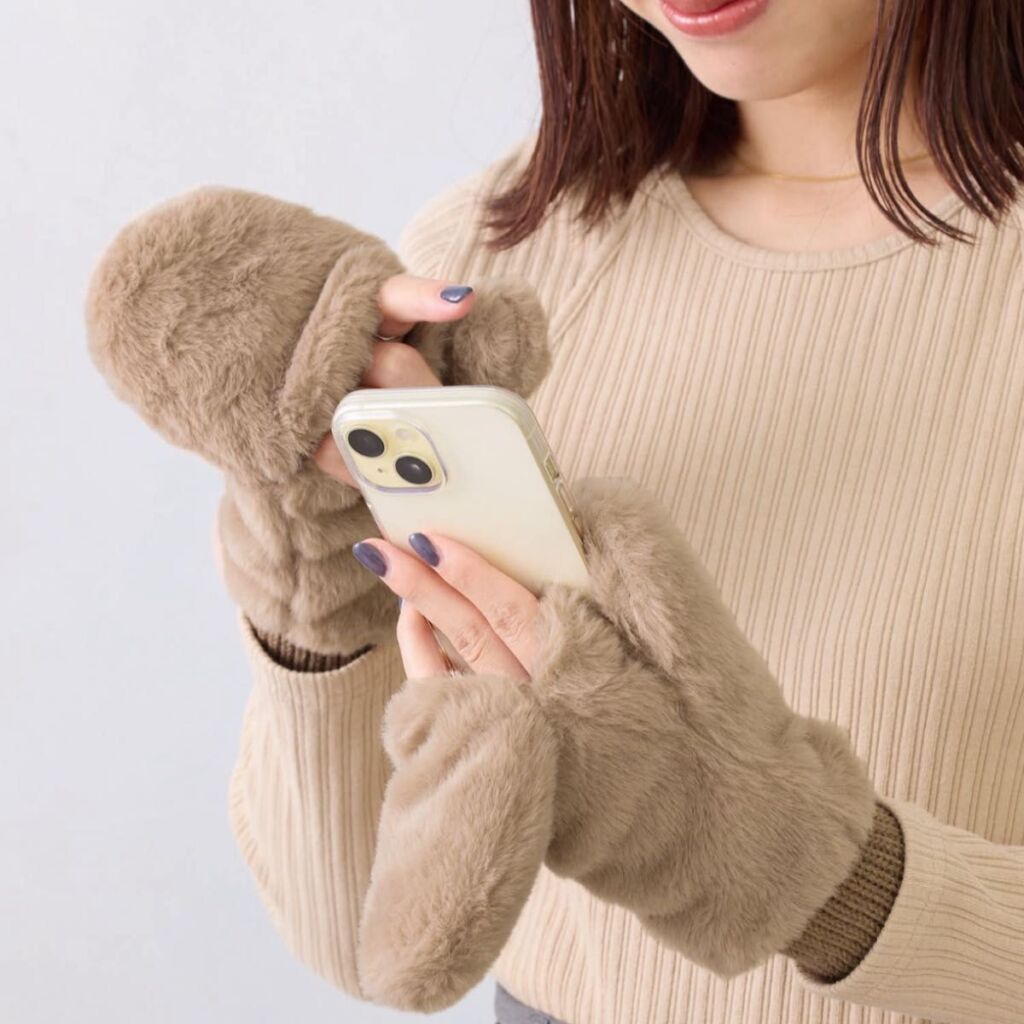
Accessories also play an important role. Socks, gloves, and scarves can be found at very reasonable prices not only in large stores, but also at 100-yen or 300-yen shops. The quality might surprise you, and they’re perfect for students looking to stay warm on a budget.
One thing to keep in mind, especially in big cities like Tokyo, is that indoor spaces often have very strong heating during winter. Trains, shopping malls, bookstores, and restaurants can feel quite warm, so it’s best to dress in a way that allows you to remove layers easily. Zip-up coats, removable scarves, and light thermal layers are extremely practical.
A few extra tips can also make a big difference: hot drinks from vending machines (you’ll find coffee, tea, and even soup), airing out your room regularly to avoid humidity, and wearing slippers or thick socks indoors since many Japanese apartments can be cold at floor level.
Surviving winter in Japan doesn’t mean spending a lot of money—it’s about knowing what to buy and how to use it. With the right tips and preparation, winter becomes much more manageable, allowing you to focus on your studies and fully enjoy your experience in Japan.