News
September 19, 2026Vegan in Japan: A Guide to Eating Plant-Based

 Por KOKO JAPAN
In recent years, plant-based diets—or those that exclude animal products—have gained popularity. Whether motivated by ethics (such as veganism), personal taste, or health concerns, this way of eating has undeniably resonated with people all over the world. Japan is no exception, yet following such a diet in a country where one is unfamiliar with the culture and language can be challenging. Here, we want to share an overview of the reality of being vegan or vegetarian and maintaining a plant-based diet in Japan.
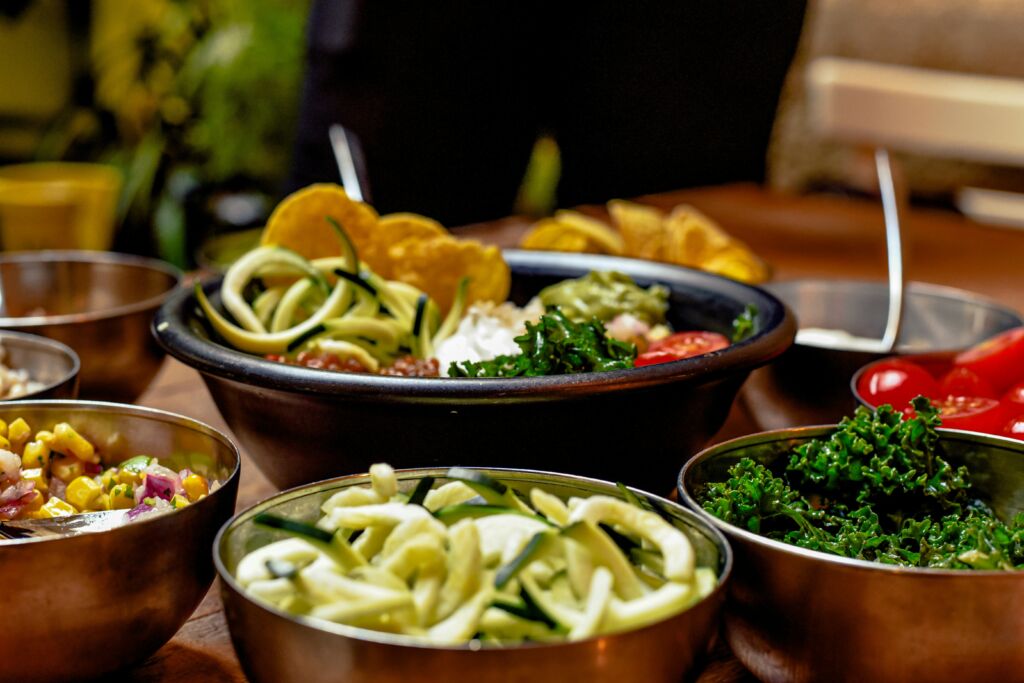
The Reality of Being Vegetarian or Vegan in Japan
Although Japan boasts a wide culinary variety and incredible plant-based foods—such as tofu, natto, seaweed, pumpkin, and sweet potato—its diet relies heavily on fish and fish-derived ingredients. It is very common to find dishes containing fish extracts, powder, or sauce, so one must be extremely careful when ordering a meal or shopping at the supermarket.
Furthermore, unlike in some other countries, the fact that a product is soy-based does not guarantee it is free from animal-derived additives or emulsifiers, such as egg or colorings like carmine. Even traditional sweets like mochi are not always exempt, making it crucial to ask questions.
However, the biggest challenge of being vegan or vegetarian in Japan is not necessarily the food itself. Since the concept of veganism is relatively new there, many people may be unfamiliar with the idea or unwilling to adapt or accommodate requests that fall outside the standard menu. Although Japan has a significant history of vegetarian diets—such as the traditional cuisine of Buddhist monks known as *Shojin Ryori* (精進料理)—this style of eating is often far removed from everyday life.
But it’s not all bad news! There are many delicious and healthy ways to maintain—and enjoy—a plant-based diet in Japan. Here are some tips to help you along the way:
Tips for your trip to Japan
– Use apps like HappyCow, which feature a search engine and map to locate plant-based restaurants or those with suitable options. You can also use this “Itadaki Healthy” map on Google Maps.
– To read labels in supermarkets, as well as menus in restaurants and convenience stores, you can use the Google Translate app.
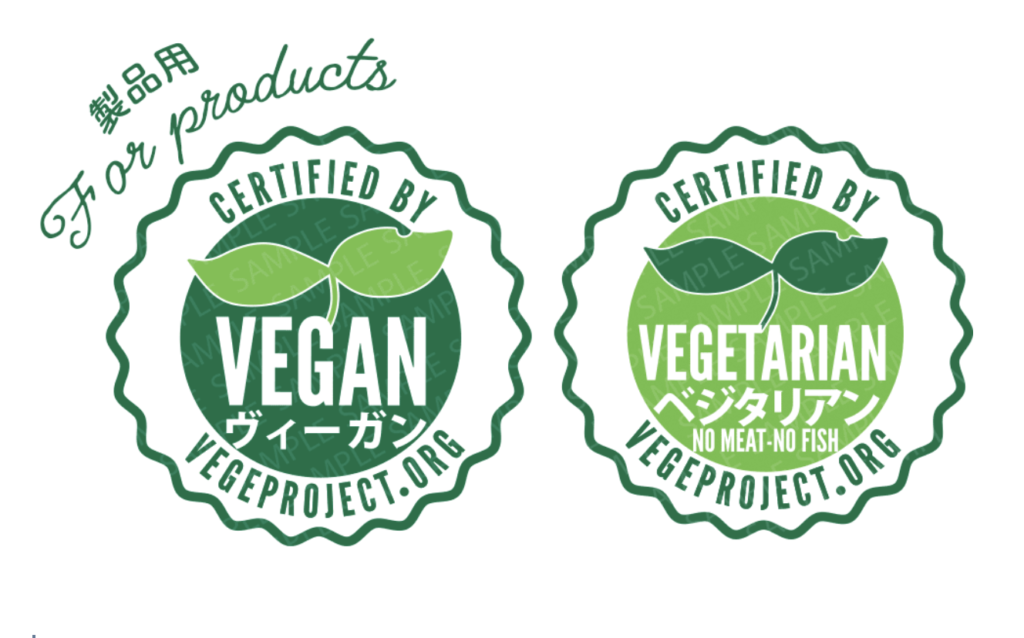
– Vegetarian (or vegan-friendly) options are available at various fast-food chains like MOS Burger and CoCo Ichibanya, coffee shops like Starbucks, and convenience stores like Lawson and 7-Eleven. Some dishes or snacks are only available for a limited time, so it is best to ask the staff directly or look for a label like this on the products:
But how do you ask?
Here are a few useful phrases to help you communicate and start practicing your Japanese: 😉
私はビーガンです (Watashi wa bīgan desu)
I am vegan.
私はベジタリアンです
(Watashi wa bejitarian desu)
I am vegetarian.
肉、魚、卵、乳製品は食べません (Niku, sakana, tamago, nyūseihin wa tabemasen).
I do not eat meat, fish, eggs, or dairy products.
だしを使わないでください (Dashi o tsukawanaide kudasai)
Please do not use *dashi* (fish stock).
*Remember that the concept of veganism is relatively new in Japan, and many people and restaurants—especially in smaller towns—may not be familiar with it. To be on the safe side, you can say you are vegetarian and then add a few more phrases to clarify.

-Be part of the community! The vegan community in Japan is growing. Participating in events, attending festivals, and meeting other vegans and vegetarians can help keep you motivated to stick with a plant-based diet, despite the challenges. Initiatives like Tokyo Vegan and events such as the Vegan Gourmet Festival—held in various cities like Tokyo, Kyoto, and Nagoya—are not to be missed.
We hope these tips help you feel more confident. Maintaining a plant-based lifestyle in Japan isn’t the easiest thing to do, but with some planning and a little patience, you can make it happen ☺️
Are you ready to experience student life in Japan? Register to receive free counseling and start planning your journey to study Japanese in Japan.



 By